Resenha do livro
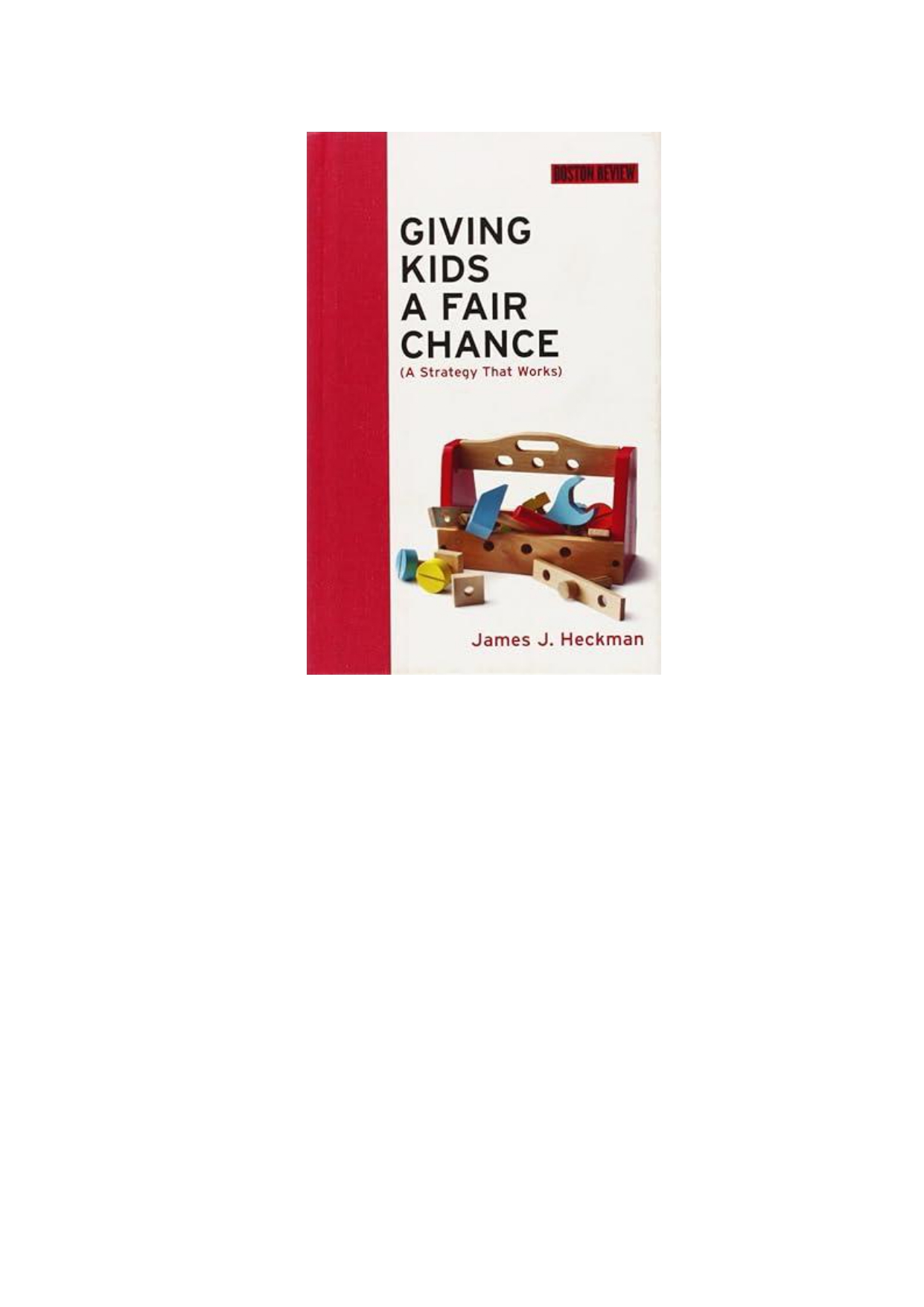
Dando uma chance justa às crianças (uma estratégia que funciona)
DOI:
https://doi.org/10.23925/ddem.v.3.n.15.73106Palavras-chave:
Educação, Política educacional, Primeira infância, Capital humanoResumo
No livro Dando uma chance justa às crianças - uma estratégia que funciona, James J. Heckman argumenta que a origem da desigualdade social está nas experiências da primeira infância, especialmente em lares desfavorecidos. O autor demonstra que habilidades socioemocionais, como motivação e autocontrole, são tão importantes quanto as cognitivas e se formam nos primeiros anos de vida. Com base em estudos como os programas Perry Preschool e Abecedarian, Heckman defende que intervenções precoces geram impactos duradouros e maior retorno social e econômico do que ações tardias. Ele propõe uma política de “predistribuição”, que atue antes da desigualdade se consolidar, promovendo ambientes familiares mais ricos desde cedo. A obra é elogiada por sua base científica, mas criticada por ignorar questões estruturais, como pobreza, instituições falhas e o papel dos pais. Ainda assim, destaca-se como uma contribuição relevante ao debate sobre políticas públicas eficazes para a redução da desigualdade.
Downloads
Publicado
Como Citar
Edição
Seção
Licença
Copyright (c) 2025 Direitos Democráticos & Estado Moderno

Este trabalho está licenciado sob uma licença Creative Commons Attribution 4.0 International License.

Este obra está licenciada com uma Licença Creative Commons Atribuição 4.0 Internacional.
Revista DD&EM - ISSN 2675-7648